Commercial real estate offers investors a diverse menu of asset classes, each with distinct risk profiles, income characteristics, management requirements, and sensitivity to economic cycles. For investors entering the Southern California market—or for experienced owners considering portfolio rebalancing—the decision between industrial, retail, and office properties involves far more than personal preference or familiarity. Your choice of asset class should align deliberately with your investment timeline, risk tolerance, liquidity needs, management capacity, and return expectations. Understanding the fundamental differences between these three major commercial categories, particularly within the unique context of the Inland Empire and broader Southern California market, enables investors to construct portfolios that perform consistently across varying economic conditions.
Industrial properties have emerged as the darling of commercial real estate over the past decade, driven by seismic shifts in consumer behavior and supply chain strategy. The relentless growth of e-commerce has created insatiable demand for warehousing, distribution centers, and last-mile delivery facilities. In the Inland Empire specifically, industrial vacancy rates have remained remarkably low while rental rates have experienced sustained upward pressure. Industrial assets typically offer several attractive characteristics for investors: relatively simple management requirements compared to multi-tenant retail or office buildings, longer lease terms that reduce turnover costs, and tenant-paid operating expenses under triple-net lease structures that provide predictable cash flows. Industrial tenants also tend to make significant capital investments in racking systems, specialized equipment, and operational infrastructure, creating “stickiness” that reduces default risk and encourages lease renewals.
However, industrial investment carries its own set of risks and considerations. The physical obsolescence risk is real—buildings constructed decades ago may lack the ceiling heights, column spacing, loading dock configurations, or parking ratios that modern logistics operators require. While location along major transportation corridors remains paramount, the specific functionality of the building itself increasingly determines tenant appeal and rental rates. Environmental contamination risks run higher in industrial properties than in other asset classes, particularly for older buildings with unknown historical uses. Additionally, the current industrial boom has driven pricing to levels where some investors question whether future appreciation potential justifies present acquisition costs. Cap rate compression in prime Inland Empire industrial submarkets means investors are paying premium prices for stable cash flows, potentially limiting upside if rental growth moderates.
Retail properties occupy a more complex and contested position in today’s investment landscape. The so-called “retail apocalypse” narrative has created both exaggerated fears and genuine opportunities. While traditional department stores and poorly positioned enclosed malls have indeed struggled, well-located neighborhood shopping centers, grocery-anchored strips, and service-oriented retail in growing communities continue to perform reliably. In High Desert communities like Victorville and Apple Valley, retail properties serving growing residential populations can offer compelling investment propositions, particularly when anchored by essential service tenants such as grocery stores, pharmacies, medical providers, and quick-service restaurants. These tenants provide necessities rather than discretionary goods, making their businesses more recession-resistant and their rent payments more reliable.
Successful retail investment demands sophisticated understanding of tenant mix, co-tenancy relationships, and local demographics. The quality of a retail center’s anchor tenant directly impacts the performance of inline shops, making credit analysis of major tenants critical. Lease structures in retail often include percentage rent clauses, co-tenancy provisions, and use exclusives that create interdependencies between tenants. Management intensity runs higher than industrial properties, requiring ongoing attention to tenant satisfaction, common area maintenance, marketing coordination, and seasonal adjustments. For investors with the expertise—or professional guidance—to navigate these complexities, retail properties can generate attractive yields with inflation protection through rent escalation structures tied to consumer price indices.
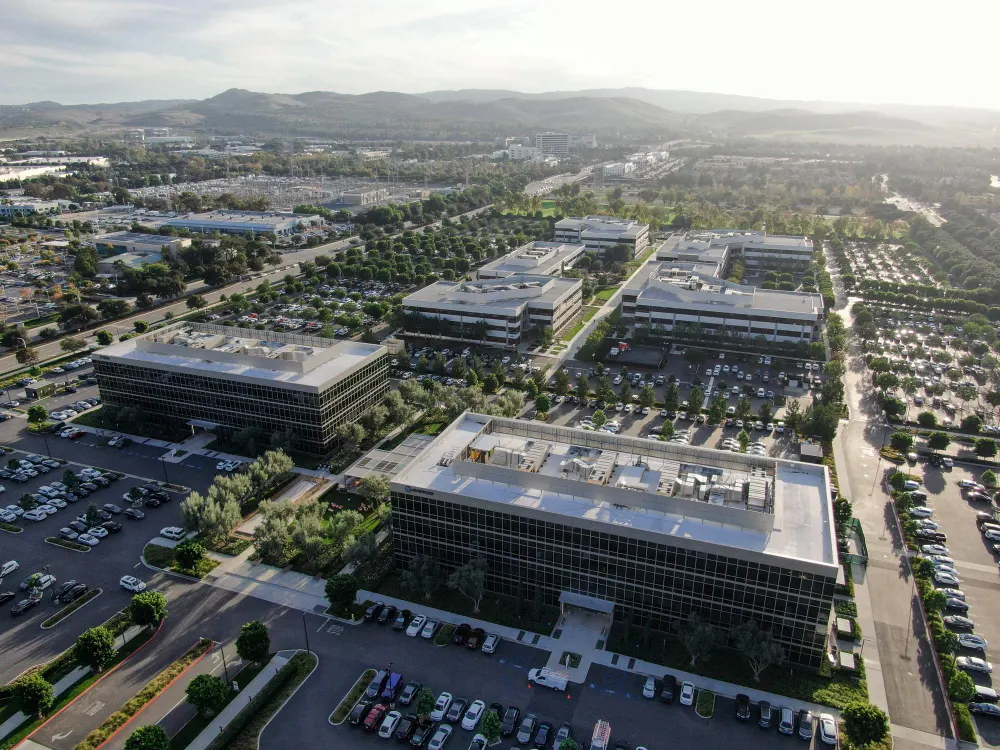
Office properties represent perhaps the most challenged asset class in the current commercial real estate environment, yet they also present potential opportunities for contrarian investors with long time horizons and value-add expertise. The pandemic-induced shift toward remote and hybrid work has fundamentally altered office demand patterns, with many companies downsizing footprints or relocating to higher-quality, amenity-rich buildings in superior locations. Class B and Class C office buildings in secondary locations face particular pressure, as tenants increasingly concentrate in newer, well-located properties that support collaboration and employee recruitment.
However, writing off office entirely would be premature. Certain office subtypes continue to demonstrate resilience. Medical office buildings benefit from demographic-driven demand growth and specialized tenant requirements that resist remote substitution. Properties in established employment centers with strong transit access maintain appeal for employers requiring in-person collaboration. In the Inland Empire, office markets in San Bernardino and Ontario serve as administrative hubs for the region’s growing logistics, healthcare, and government sectors. For investors who can acquire well-located office properties at distressed pricing, implement strategic capital improvements, and reposition assets for post-pandemic tenant requirements, significant value creation opportunities exist. The key is distinguishing between fundamentally impaired properties and those experiencing temporary dislocation.
The management intensity and expertise required varies substantially across these asset classes. Industrial properties generally demand the least ongoing landlord involvement, particularly under triple-net leases where tenants handle maintenance, insurance, and property taxes. Retail requires moderate to high engagement, depending on property size and tenant count, with ongoing attention to leasing, tenant relations, and property marketing. Office properties typically require the most intensive management, involving building systems oversight, tenant improvement coordination, amenity programming, and responsive service delivery that supports tenant retention.
Financing availability and terms also differ by asset class. Industrial properties currently enjoy the most favorable lending environment, with banks and life insurance companies aggressively competing to finance well-leased assets in strong markets. Retail financing has become more selective, with lenders scrutinizing tenant credit quality, lease expiration schedules, and e-commerce exposure more carefully than in previous cycles. Office financing faces the most constrained environment, with many lenders reducing loan-to-value ratios, increasing reserve requirements, or exiting the sector entirely for certain property types. These financing dynamics directly impact acquisition capacity and equity requirements for investors.
Tax considerations should inform asset class selection as well. Depreciation schedules, cost segregation opportunities, and 1031 exchange eligibility vary based on property type and improvement allocations. Industrial properties with significant personal property components may offer accelerated depreciation benefits. Retail properties with extensive tenant improvements may generate different tax treatment than properties with minimal landlord-funded buildouts. Consulting with tax professionals who understand commercial real estate nuances ensures that investment structures optimize after-tax returns.
Geographic concentration within the Inland Empire adds another layer of strategic consideration. Industrial demand concentrates along major freeway corridors with particular strength in the I-15 and I-10 corridors. Retail performance correlates closely with residential growth patterns and daytime population density. Office demand clusters around established employment centers and transit nodes. Within each asset class, micro-location matters enormously—a retail property on the wrong side of an intersection or an industrial building with poor truck access can underperform seemingly comparable properties by substantial margins.
Ultimately, the “right” asset class depends entirely on the individual investor’s specific circumstances and objectives. Investors seeking passive income with minimal management involvement may gravitate toward single-tenant industrial properties on long-term leases. Those with operational expertise and higher risk tolerance might find value-add opportunities in repositioning challenged office buildings. Investors who understand local consumer dynamics and tenant relationships may thrive with neighborhood retail centers. Many sophisticated investors choose diversification across asset classes to balance cyclical exposures, though this requires broader expertise or professional management partnerships.
For investors evaluating commercial real estate opportunities in Southern California’s dynamic Inland Empire market, the asset class decision should never be made in isolation. It requires honest assessment of your management capacity, realistic projection of your time horizon, clear-eyed evaluation of risk tolerance, and thorough understanding of current market pricing within each sector. Working with a commercial real estate professional who has navigated multiple cycles across industrial, retail, and office properties provides perspective that transcends headline narratives and identifies opportunities aligned with your specific investment profile. The commercial real estate market rewards prepared, informed investors—and the foundation of that preparation is choosing the right asset class for your unique goals.